
AI Data Annotation
A model is only as good as its training data. We help set the standards, annotate and control quality, turning raw data into datasets your model can really use.
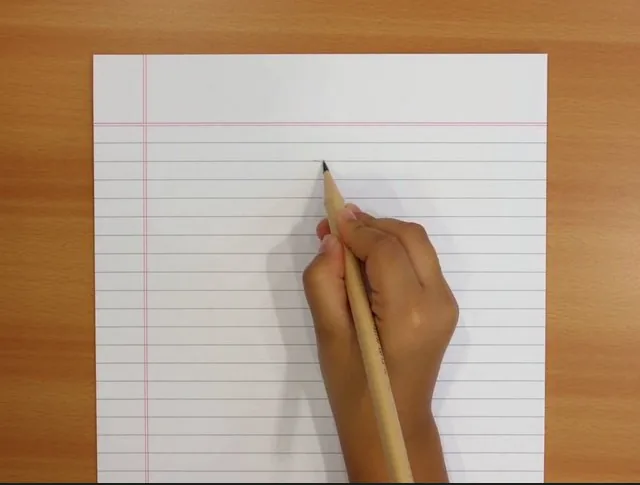 Hand area
Pencil tip
Wrist
Illustrative result; synthetic image with no real client data
Common training-data problems
Annotation is more than lots of clicking. If the standards, process or quality fall short, the data is hard to use for training.
Unclear standards
What counts as right or wrong lives in experts' heads, which makes it hard for outside teams to follow.
Not enough people
Your team has no time to label item by item, so progress stalls and model training slips.
Inconsistent quality
Different people apply different standards, and problems only surface during training.
Sensitive data
Images or text contain personal information, so they need de-identification and access control.
What we can do
Hand us the whole job or just one part, such as only setting standards or only reviewing quality.
Annotation guidelines
We work with you to define categories, criteria and edge cases, and write guidelines so different annotators reach consistent results.
Data preparation
We remove duplicates and unusable data, then select and batch by model needs, so annotation time goes to data worth labeling.
Annotation and quality control
A small pilot confirms the standards before full annotation, with sample reviews arranged as the project requires.
AI pre-labeling with human review
For large datasets, a model can pre-label first, then people check and correct the results.
De-identification
Faces, name tags and other identifying details can be detected and masked automatically, then confirmed by people, reducing exposure risk.
Dataset delivery
We organize and split data for training, export formats such as JSON, COCO and YOLO, and include the guidelines and a quality summary.
Annotation case: pencil-grip images
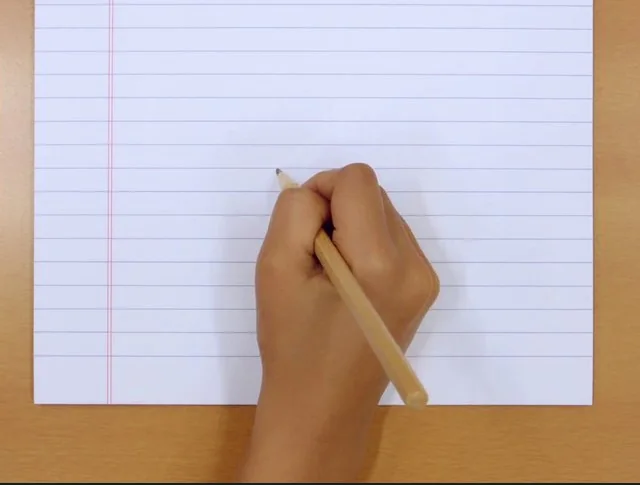
For our own AI pencil-grip analysis service, Little Hands, we annotate image data, turning how professionals read a photo into structured data a model can learn from.
-
Raw data
-
Annotated
-
Delivered for training
{
  "image": "sample_001.jpg",
  "writing_hand": "right",
  "hand_box": [0.39, 0.32, 0.70, 0.99],
  "pen_tip": [0.433, 0.355],
  "wrist": [0.476, 0.920],
  "uncertain": false
}
Illustrative example; synthetic image with no real client data
What was annotated
A single image needs classification labels, object areas and key points, and some photos are hard even for professionals to judge, so annotation has to record uncertainty.
The full categories and criteria are part of our R&D and aren't published here. Little Hands is still in development and intended for non-medical use.
How we protect data quality
- De-identify before annotating to reduce the risk to sensitive data
- People confirm every AI pre-label; it's never taken as the answer directly
- Unclear data is clearly flagged rather than forced into an answer
Data we can handle
Our completed case so far is pencil-grip images. For other fields and data types, we run a small pilot first and quote once we've confirmed we can do it.
- Images (case completed)
- Video (by assessment)
- Audio (by assessment)
- Text (by assessment)
- Tabular data (by assessment)
How we work together
- Understand your needs: tell us the model's purpose and your data, and share a few samples (de-identified, or under an NDA)
- Pilot and quote: after a small pilot confirms standards and quality, we propose a timeline and cost
- Full annotation: delivered in batches and checked as we go
- Delivery and tuning: adjust standards or add data based on training results
Have data but don't know where to start?
Tell us what your model should do and what your data looks like, and we'll help you find a way forward.
Read first: What to Prepare Before Annotating Data for an Image Model